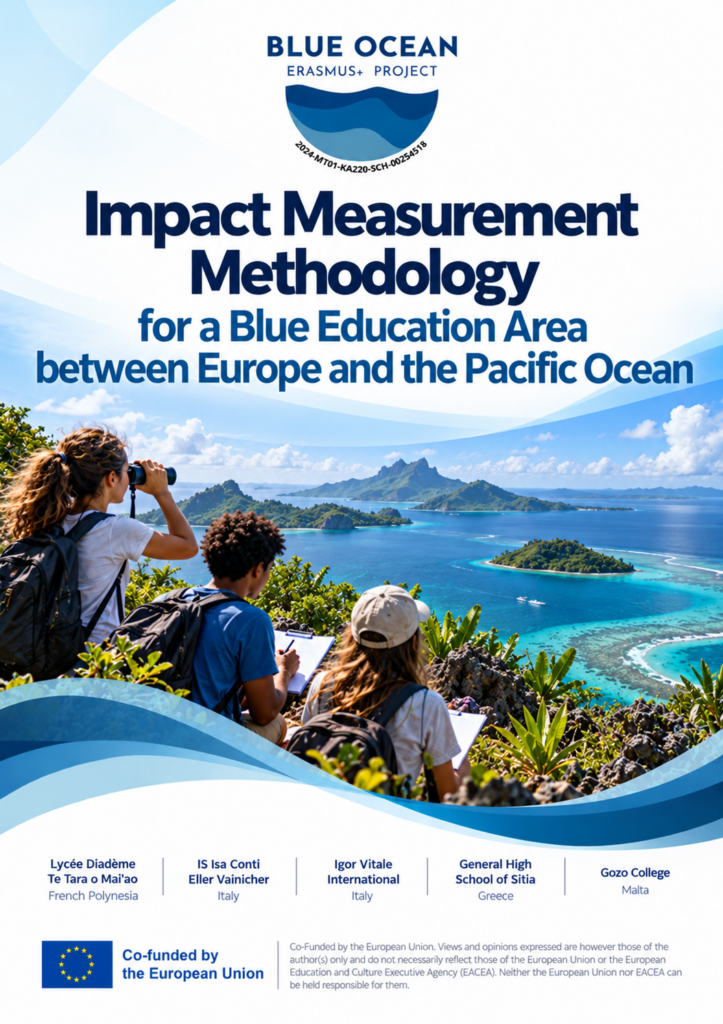
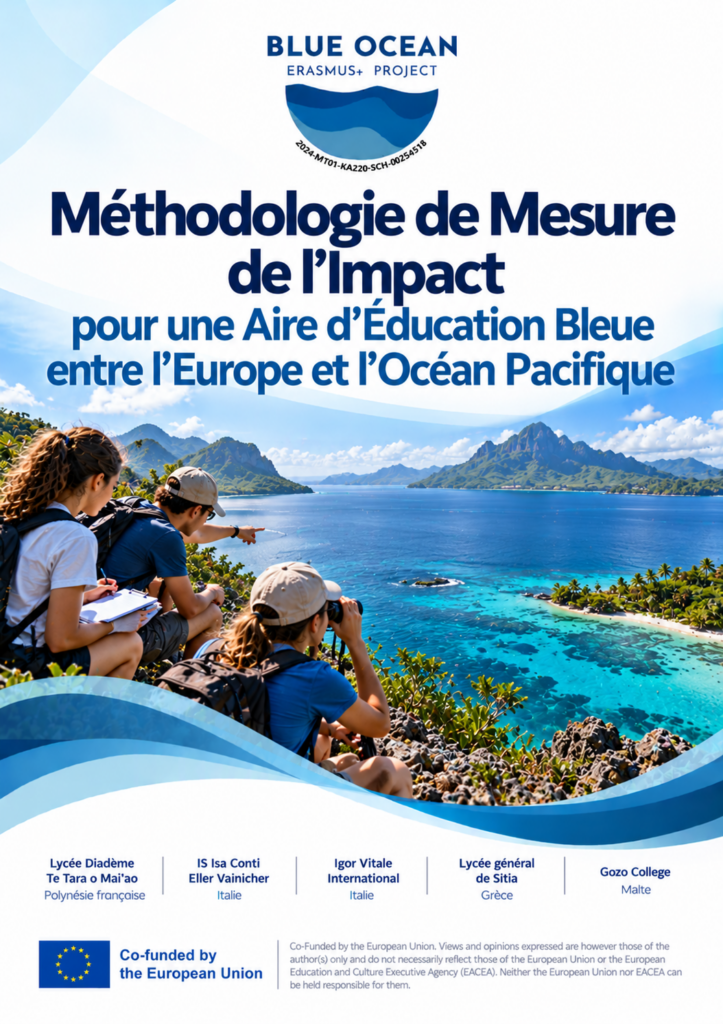
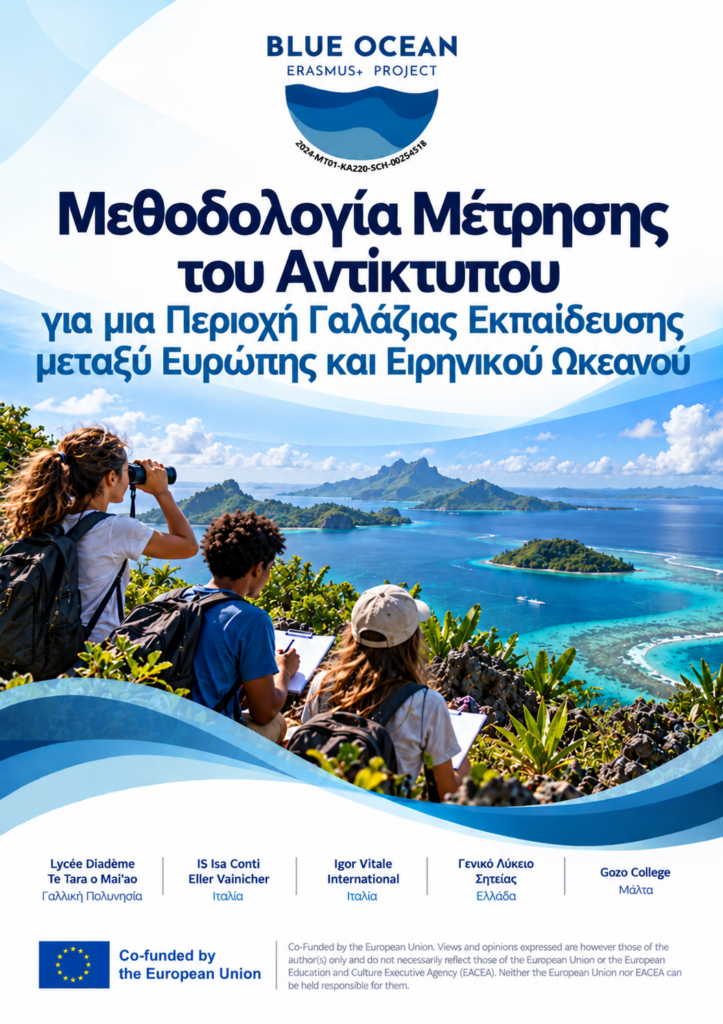
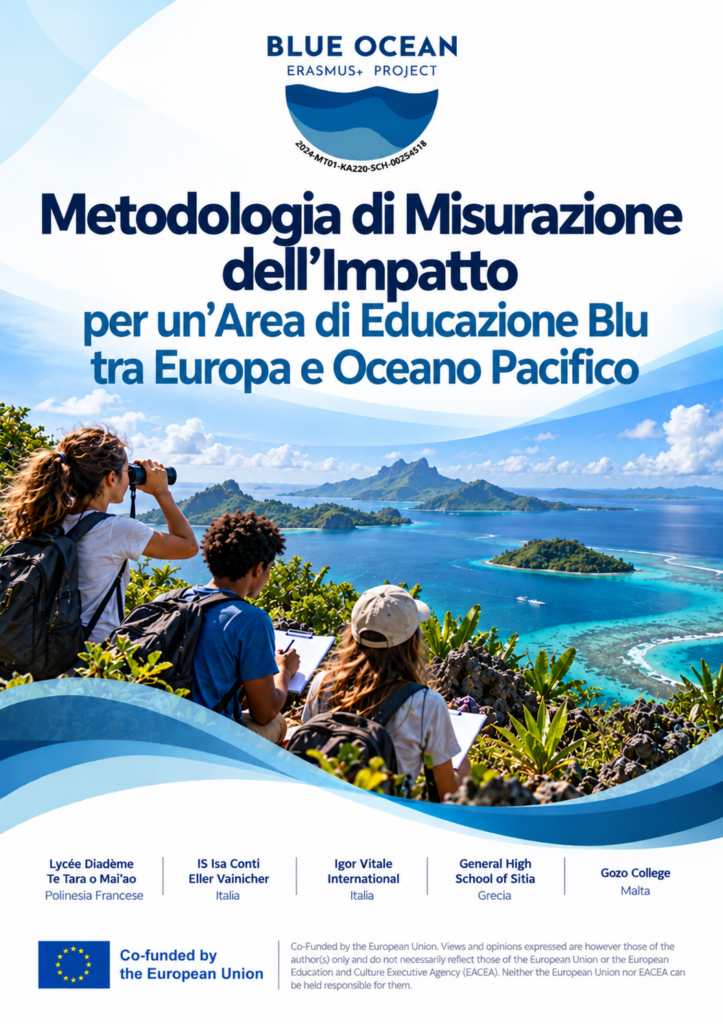
Developed within Work Package 4 of the BLUE OCEAN project, the report brings together a student assessment methodology, statistical findings and proposals for school action. It complements the BLUE OCEAN School Guidelines, helping educators connect students’ perspectives with planning for blue education.
The BLUE OCEAN partnership developed a 50-question assessment tool covering five areas: interest in blue careers, attitudes towards ocean preservation, self-reported environmental behaviours, interest in related STEM university pathways, and ocean literacy.
The report explains how the questionnaire was administered and scored, presents the results and discusses their implications for teachers, school directors and career guidance teams. It also includes detailed tables for readers who want to explore individual questions and differences between the participating schools.
From environmental awareness to future career choices
The survey found stronger support for ocean preservation than interest in pursuing blue careers or related university studies. Among participating students, 92% agreed or strongly agreed that protecting the ocean matters for their island and community, while 40% considered blue economy professions relevant to their own future career path.
This difference provides a focus for educational planning: helping students explore how their environmental interests relate to study options, professional roles and opportunities within marine and coastal sectors.
The findings describe the four participating schools. They are not nationally representative and do not demonstrate changes over time or establish that the School Guidelines caused improvements.
Connecting the findings with school practice
The report links its findings to the BLUE OCEAN School Guidelines and proposes actions involving career counselling, practical learning, community partnerships and school leadership.
These proposals include strengthening connections with universities and marine-sector organisations, creating opportunities to meet professionals, and incorporating blue education into school planning. The publication also discusses how schools can monitor students’ perspectives to inform future activities.
For teachers and guidance professionals, the report offers a basis for discussing students’ interests and educational needs. For school leaders, it connects those discussions with decisions about partnerships, resources and coordination.
What will you find in the report?
The publication includes:
- The structure and scoring of the 50-question BLUE OCEAN assessment tool.
- Findings from 209 students across four island schools.
- Results covering ocean literacy, environmental attitudes and behaviours, blue careers and STEM study interests.
- Analysis of the measurement scales and the study’s limitations.
- Proposals for school action linked to the BLUE OCEAN School Guidelines.
Download the BLUE OCEAN Impact Measurement Report
Click on the image to download the report and use its evidence and practical proposals to inform blue education in your school.